𝐌𝐮𝐜𝐡 𝐢𝐬 𝐫𝐢𝐝𝐢𝐧𝐠 𝐨𝐧 𝐭𝐡𝐞 𝐈𝐧𝐭𝐞𝐫𝐧𝐚𝐭𝐢𝐨𝐧𝐚𝐥 𝐂𝐨𝐮𝐫𝐭 𝐨𝐟 𝐉𝐮𝐬𝐭𝐢𝐜𝐞’𝐬 𝐝𝐞𝐜𝐢𝐬𝐢𝐨𝐧 𝐨𝐧 𝐠𝐞𝐧𝐨𝐜𝐢𝐝𝐞.
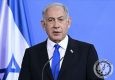
South Africa and Israel have filed preliminary petitions before the International Court of Justice, accusing Israel of genocide and mass executions in response to the Israel-Hamas conflict. South Africa claimed that Israel breached the Genocide Convention, but Israel maintained that it had the right to defend itself. The court’s interim findings are unlikely to affect Israel’s military activities, but a decision against Israel may tarnish its reputation and may place pressure on Netanyahu to delegate responsibilities to far-right factions in order to protect his neck. The case is likely to further polarize pro-Palestinian and pro-Israeli supporters worldwide.
At the level of accepted practices and standards around the world, the stakes are very high. All parties to the convention would have to face their own responsibility to end their involvement in an operation if it were determined that an ongoing situation was genocidal. Rejecting them would mean returning to an age of “might makes right” between and between nations, which would undermine the credibility of the ICJ.
@prognoz_news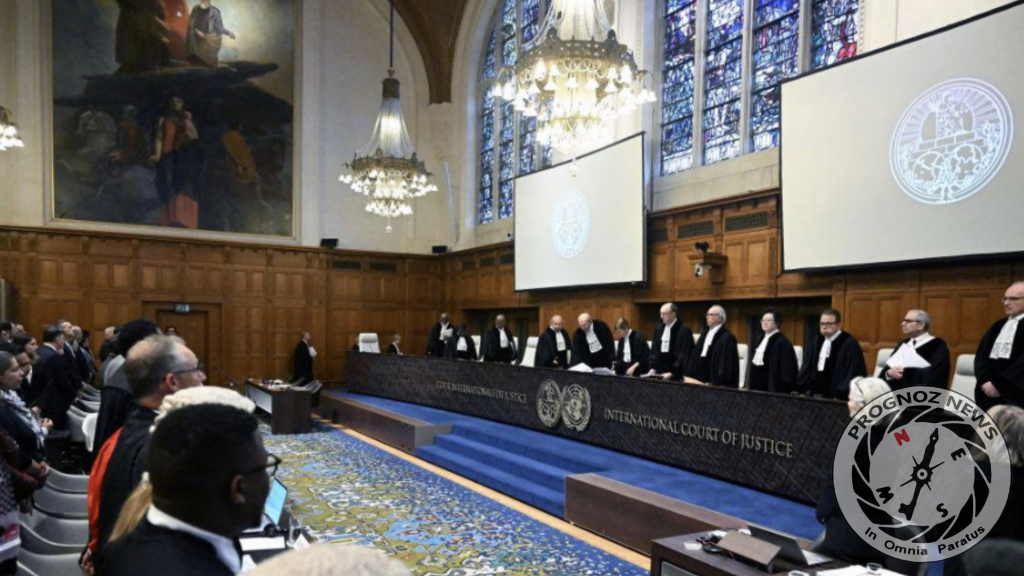


Most Readings