𝐈𝐧𝐝𝐢𝐚 𝐦𝐚𝐤𝐞𝐬 𝐡𝐢𝐬𝐭𝐨𝐫𝐲 𝐢𝐧 𝐬𝐩𝐚𝐜𝐞 𝐫𝐚𝐜𝐞 𝐚𝐬 𝐑𝐮𝐬𝐬𝐢𝐚 𝐟𝐚𝐢𝐥𝐬 𝐟𝐨𝐫 𝐭𝐡𝐞 𝐟𝐢𝐫𝐬𝐭 𝐭𝐢𝐦𝐞
The 21st century has seen a global race to the moon as nations and
corporations want to lay claim to the lunar surface for use in future deep
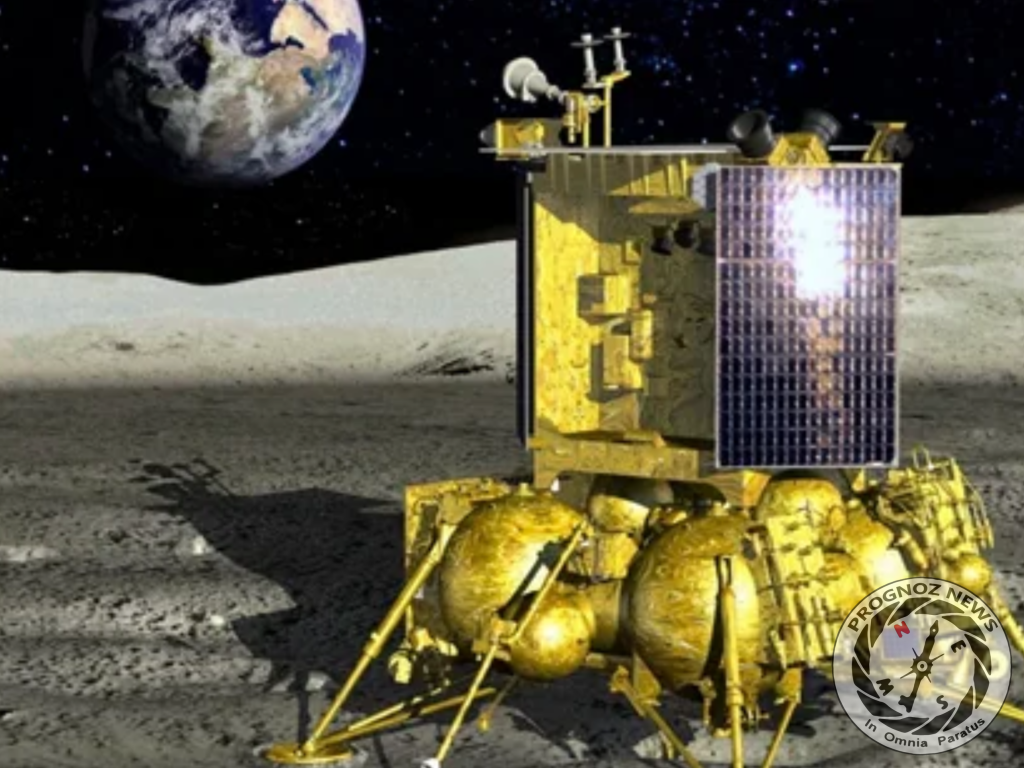
space mining operations. Previous lunar expeditions, however, have yielded uneven outcomes, with even well-established space powers like Russia running into obstacles. India became the fourth country to successfully land a spacecraft on the moon when its Chandrayaan-3 mission and Vikram lunar lander touched down softly near the moon’s south pole. Both the Russian space agency’s Luna-25 lander and the Japanese company iSpace’s Hakuto-R lander crashed into the Moon, though for different causes. There will be two lunar landers sent into space: Astrobotic’s Peregrine and Intuitive Machines’ Lunar, the latter of which will be directed toward the moon’s south pole. Interest in trips to the moon and beyond has been revitalized by the increasing commercialization of space and the rise of space powers other than the United States and Russia. Taikonauts, China’s space explorers, are scheduled to land on the moon in 2030 to begin building a joint facility with Russia’s Roscosmos.
prognoz_news
624 Views


Most Readings