𝐓𝐚𝐱 𝐆𝐚𝐢𝐧𝐬 𝐨𝐧 𝐑𝐮𝐬𝐬𝐢𝐚𝐧 𝐀𝐬𝐬𝐞𝐭𝐬 𝐓𝐡𝐚𝐭 𝐇𝐚𝐯𝐞 𝐁𝐞𝐞𝐧 𝐅𝐫𝐞𝐞𝐳𝐞𝐝 𝐇𝐚𝐯𝐞 𝐑𝐞𝐜𝐞𝐢𝐯𝐞𝐝 𝐒𝐮𝐩𝐩𝐨𝐫𝐭 𝐟𝐫𝐨𝐦 𝐄𝐔 𝐅𝐨𝐫𝐞𝐢𝐠𝐧 𝐌𝐢𝐧𝐢𝐬𝐭𝐞𝐫𝐬.
The foreign ministers of the European Union have reached an agreement to tax the profits made from the frozen assets of the Russian central bank, but Germany is still against taking full possession of the assets because of legal and other financial concerns. Germany is against taking Russian assets because of worries about the viability of the euro. The process of coordinating taxes is moving slowly. Ukraine would benefit from the proceeds of the sale of blocked Russian assets, according to EU diplomat Josep Borrell. Presently, the topic of discussion is the application of taxes to income from assets rather than the assets themselves that are frozen.
Seizing Russian assets to support Ukraine has stalled among the G7; thus, this attempt is seen as a political ploy to oppose additional tougher sanctions. The Belgian clearinghouse Euroclear holds the lion’s share of the Russian frozen assets.
@prognoz_news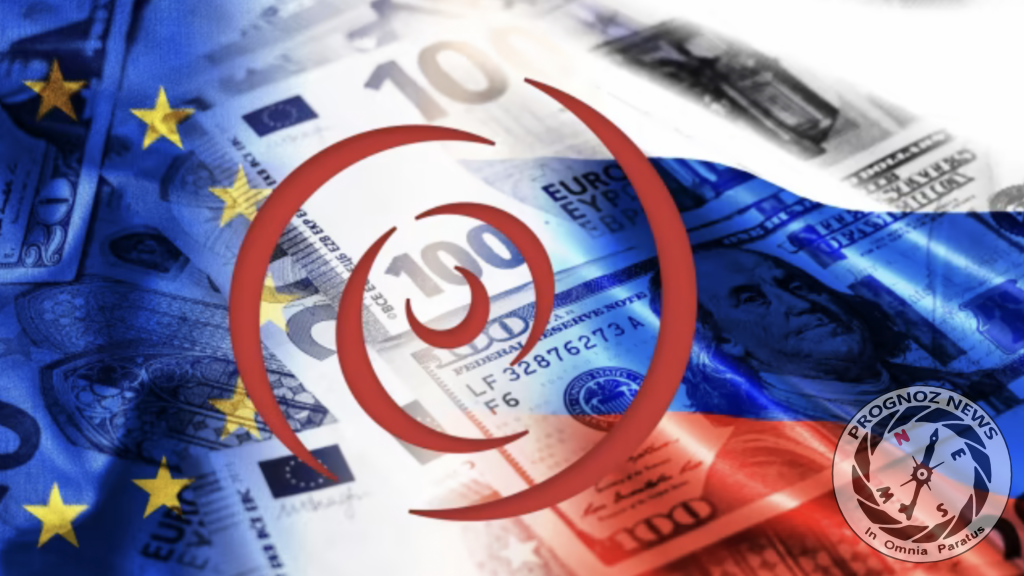



Most Readings